Connecting with Self, Others, and Community through Outdoor Experiences
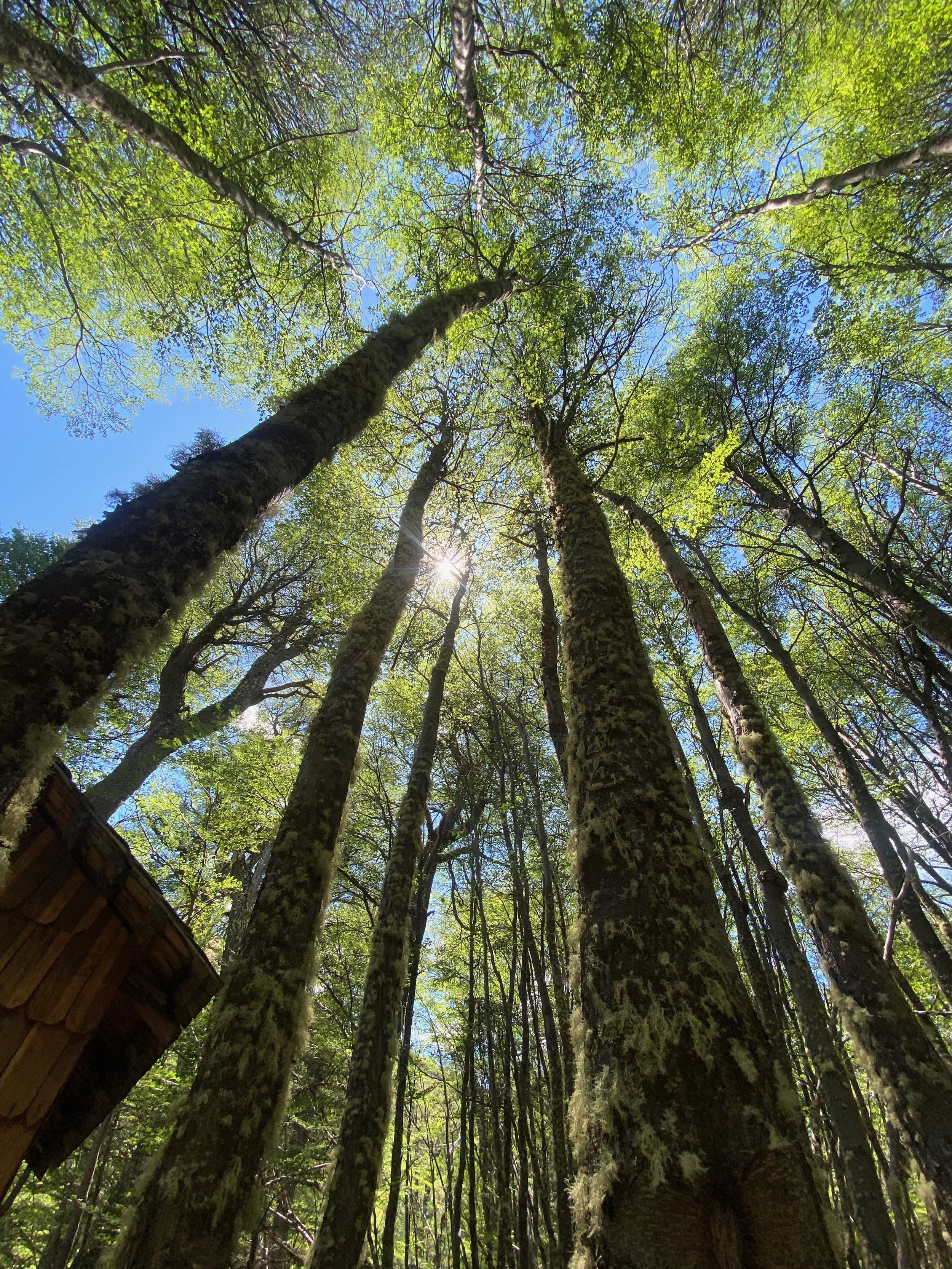
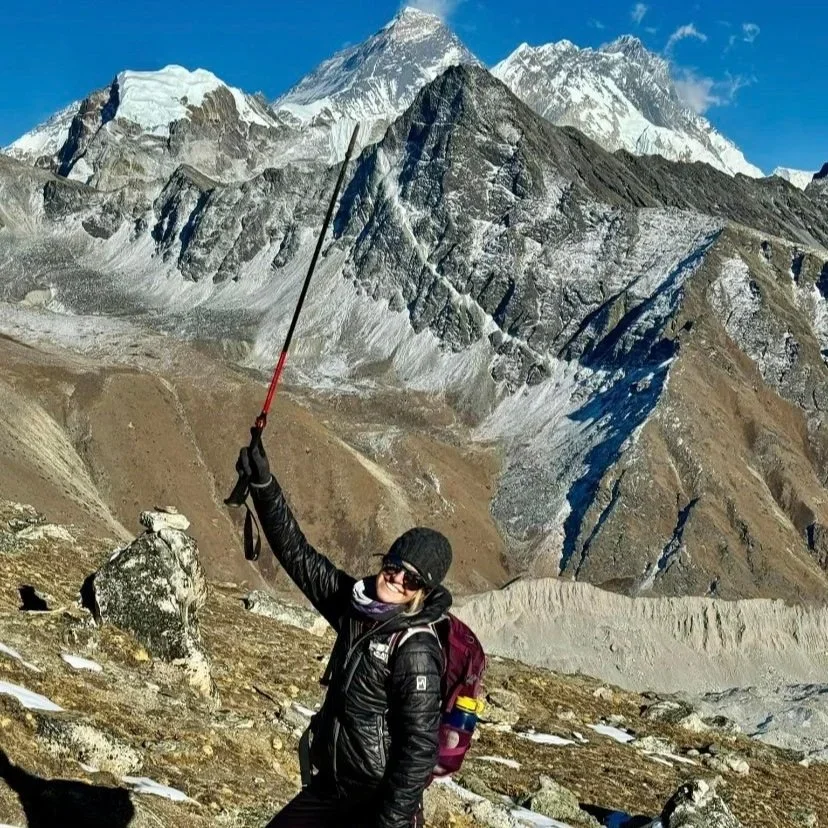
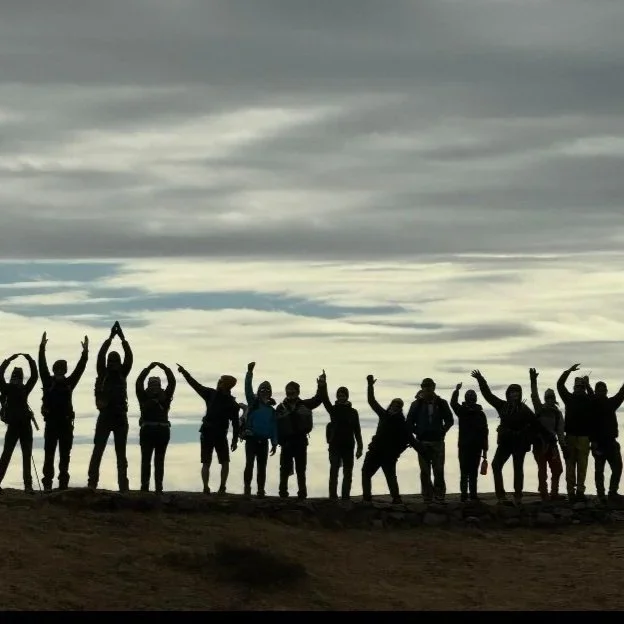
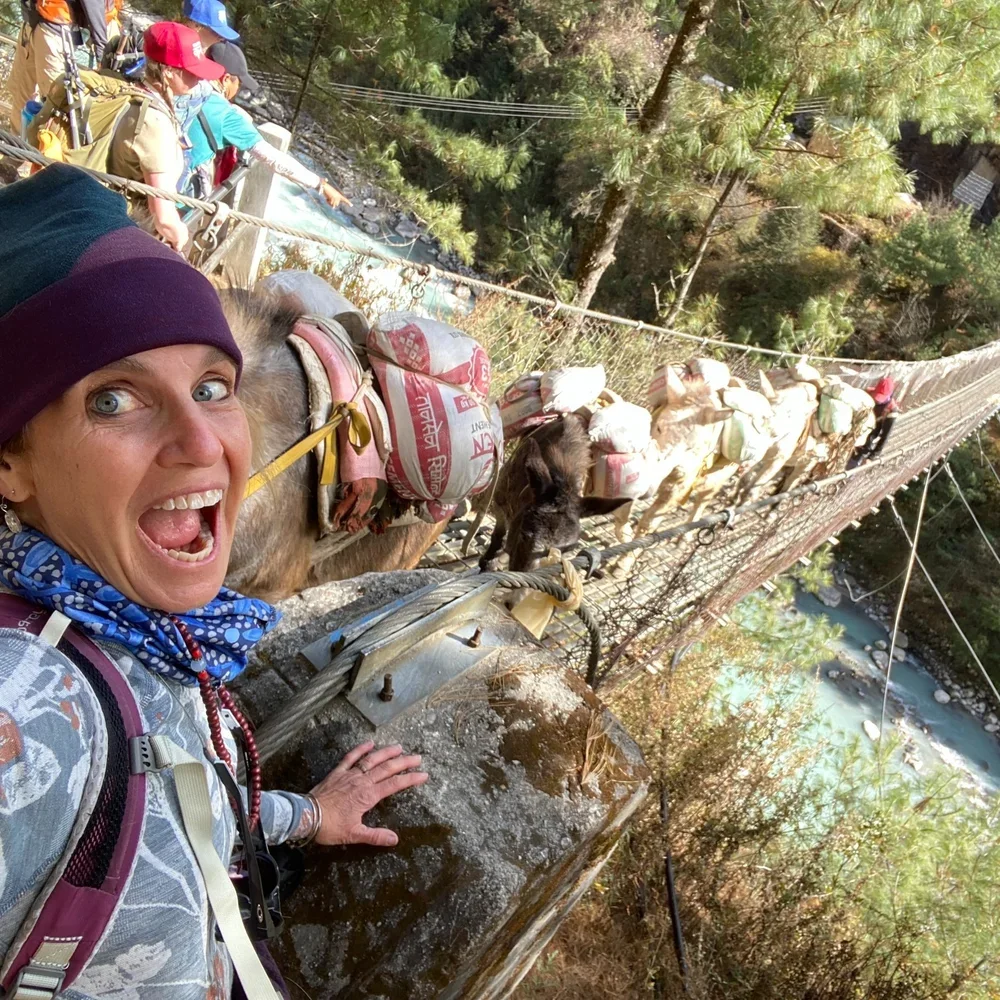
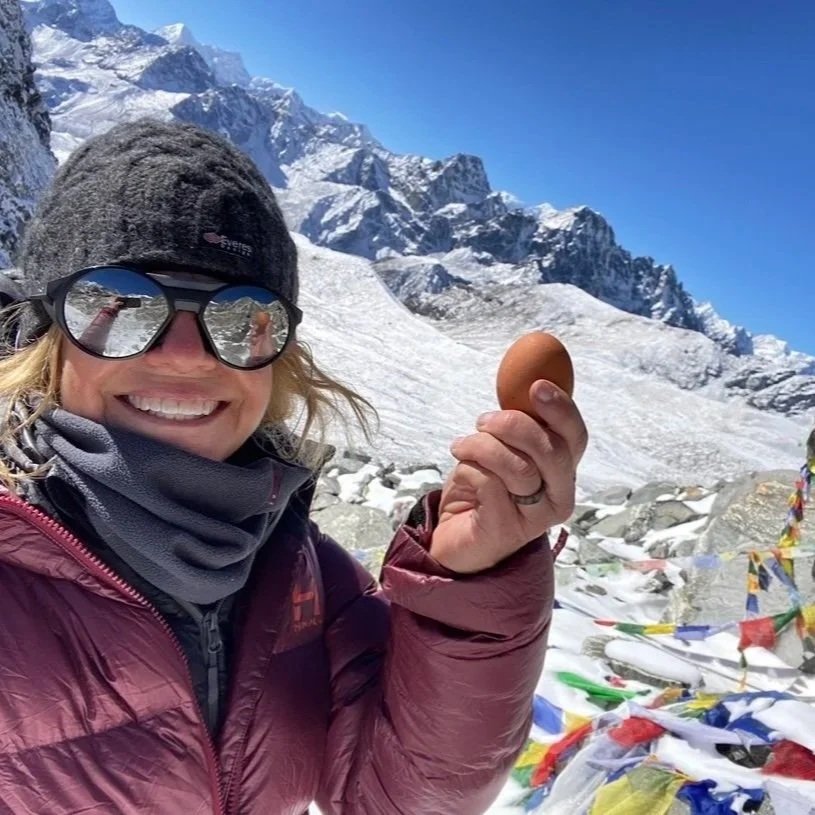
In December 2023, I embarked on an extraordinary journey through the Khumbu Region of Nepal, completing the Three Passes Trek. This outdoor experience not only presented epic trekking and landscapes; it offered experiential learning by connecting with self, others and community. Click on images above to learn more. Photo Credit - Seth Quigg
The Power of “What If?”
What if… that which emerges is better than we planned?
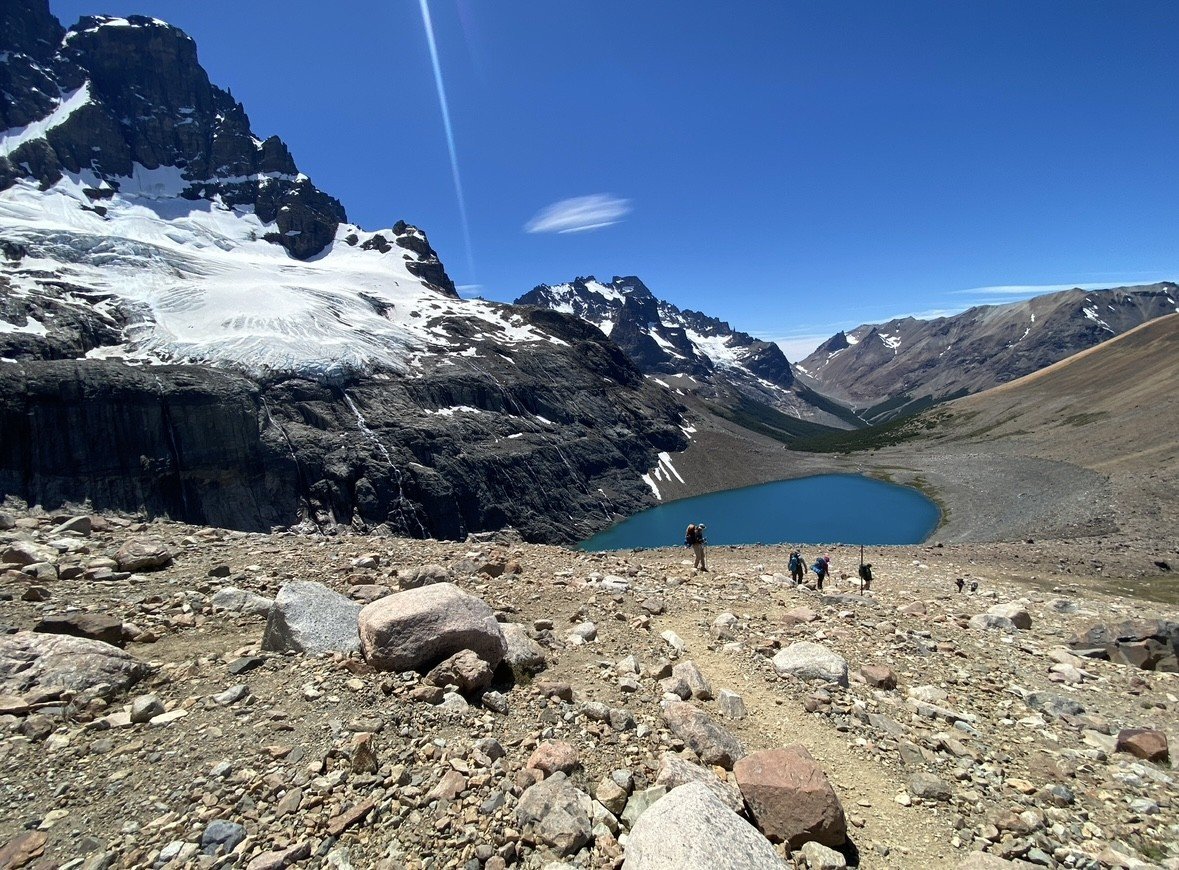
In 2025, I set out for a 10-day backpacking, camping, kayaking, and glacier-hiking trip in Patagonia. I planned carefully. Packed intentionally. Then I arrived in a remote southern town in Chile, but my bag did not. Tracking showed that it was in Texas and not coming anytime soon. Ugh!
What if I continued without my bag?
At that moment, I had a choice. What if instead of completely derailing the trip (for me and everyone else), I shift my mindset. I was in South America – my bag didn’t make it, but I did, despite the plane’s flat tire and running through airports to catch new flights. I decided to focus on what was in my control and see what unfolded.
What unfolded was community.
When you pack for a backpacking trip, every item is scrutinized—weight and space matters, backups are rare. Yet in our group, critical pieces appeared: a pair of socks and a pair of pants. The guide produced an extra backpack and sleeping bag. My “bag” became a handful of borrowed essentials—and it was enough. A perfect hiking stick leaned against a tree at the start of the trail emerged as if the universe was saying, we got you.
Then came innovation.
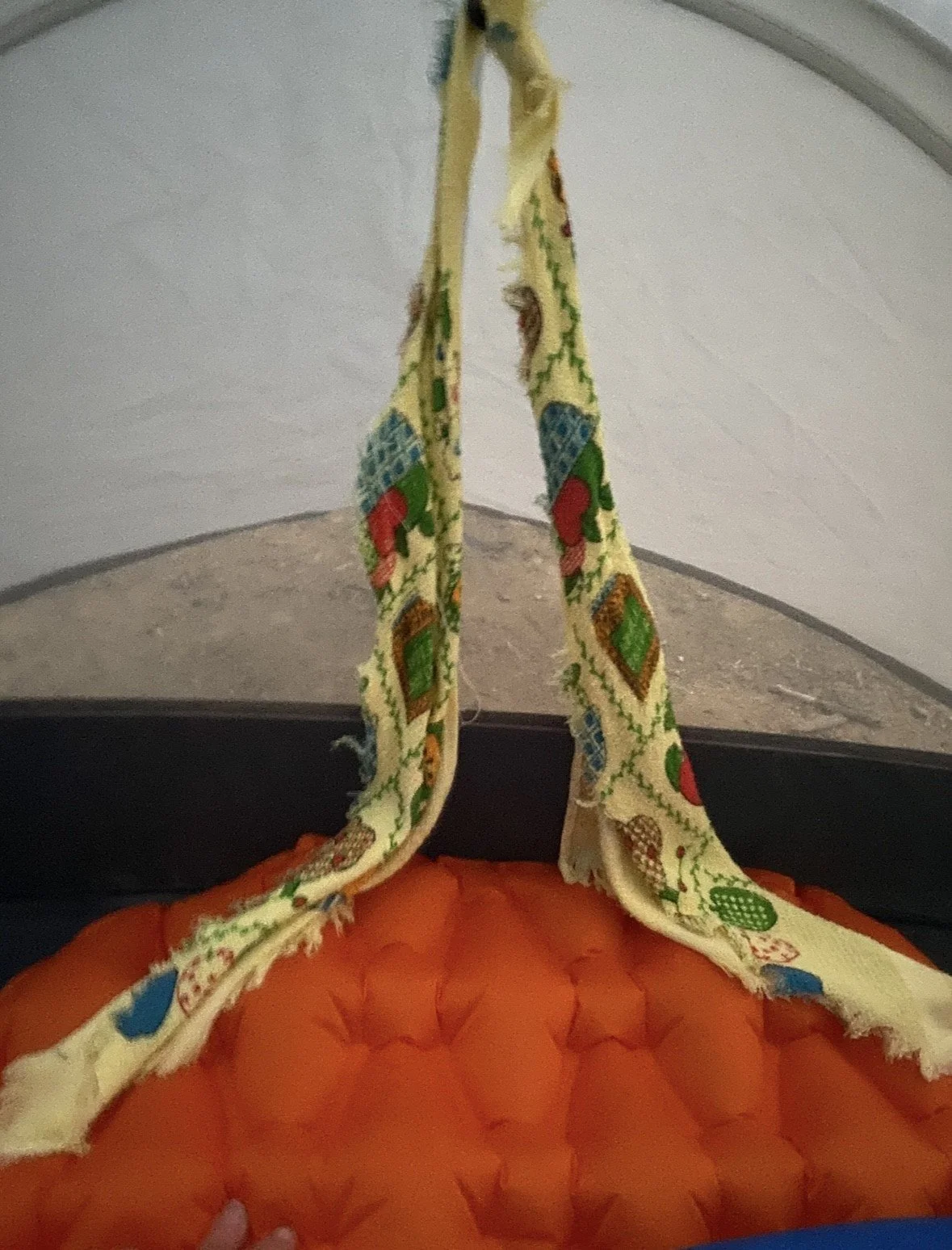
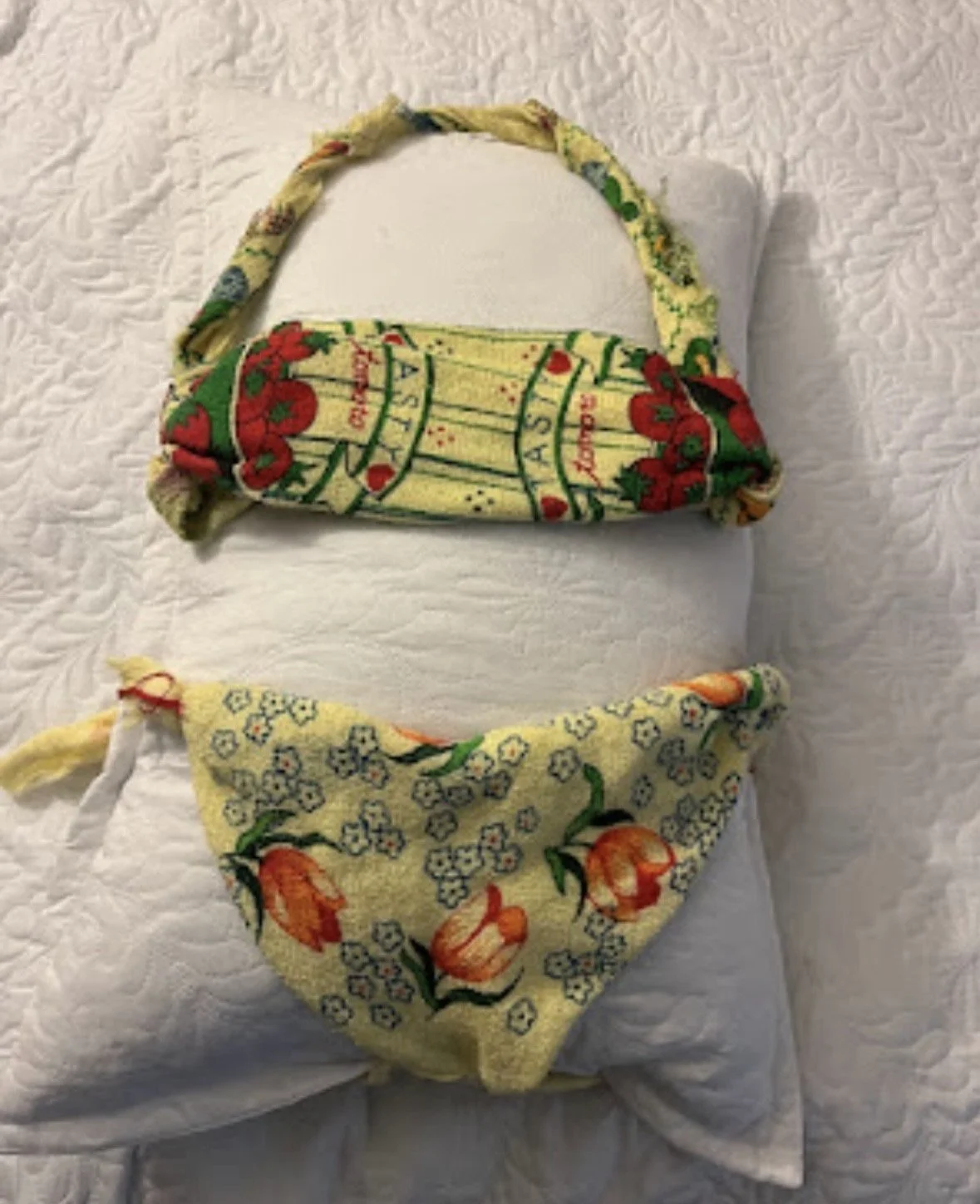
There were no retail stores —just a small shop with toiletries and household items. The only fabric available? Dish towels. We grabbed a few, thinking they might come in handy. The pants I borrowed were too big, and suddenly my teammate, Jana C, had her wheels turning. Someone had scissors. Another had a needle from a travel sewing kit. A belt was born. Looking at the extra fabric, she said, “I think I can make a bathing suit out of this.” She did.
Amid the mountains we climbed, glaciers we crossed, and waters we paddled, the creation of what emerged from the dish towels became one of the highlights of the trip. Although the material was not ideal for actual use, it was something that pulled the group together with laughter.
Four days in, miraculously my bag arrived. In some small, unexpected way, I was disappointed—it made everything heavier again. However, I’m sure my travel buddies were relieved I could finally change clothes.
The lost bag sparked community and innovation. And in this case, what if turned out to be better than the plan.
What if we leaned into our adaptability and loosened the reins of control, allowing unexpected moments and meaningful lessons to unfold?
At All Forward, we intentionally design outdoor learning experiences while leaving room for what naturally unfolds - connection, discovery, and whatever emerges.
How Can We Be “Friends of the Fire” & “Watchmen”?
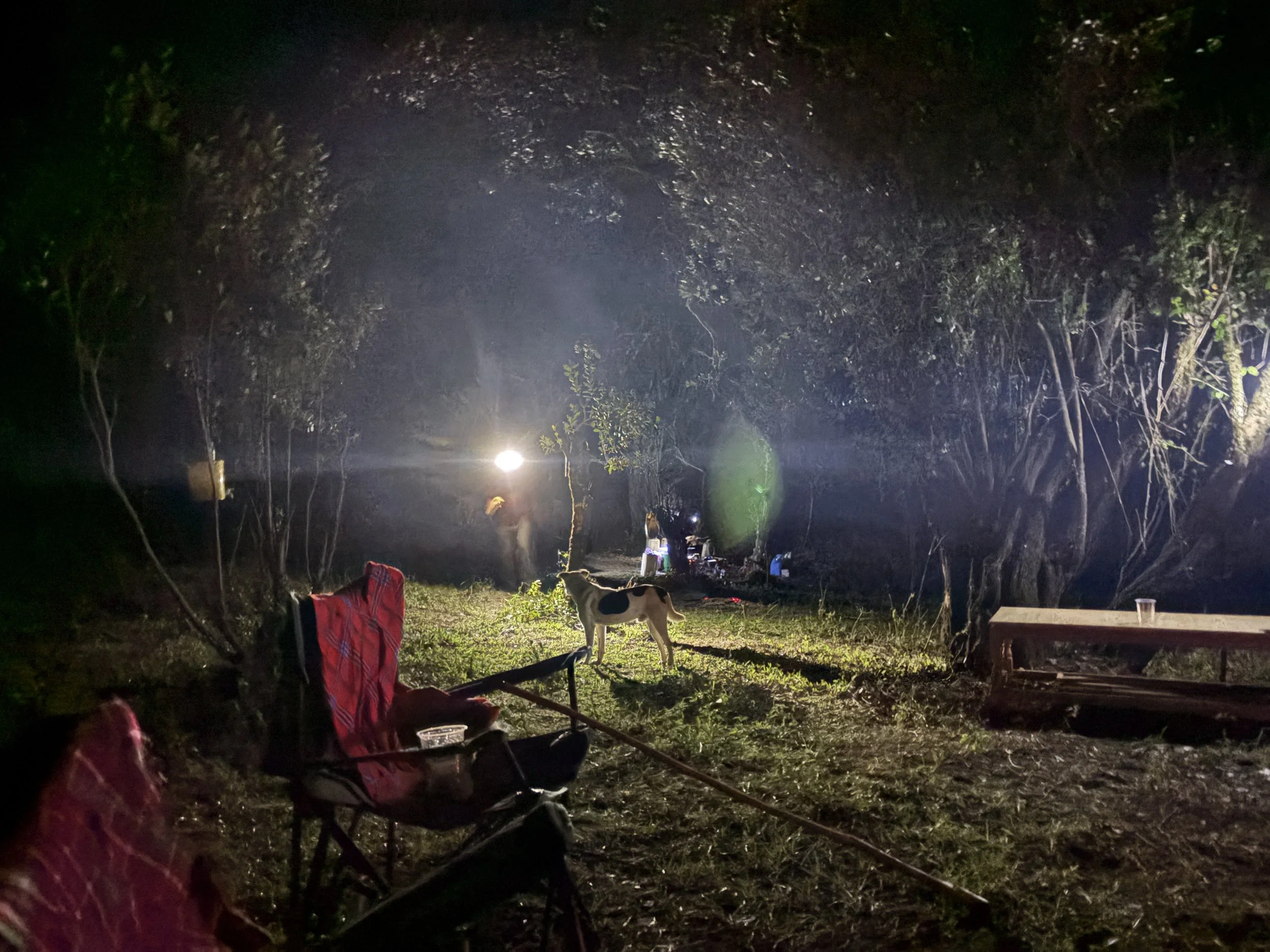
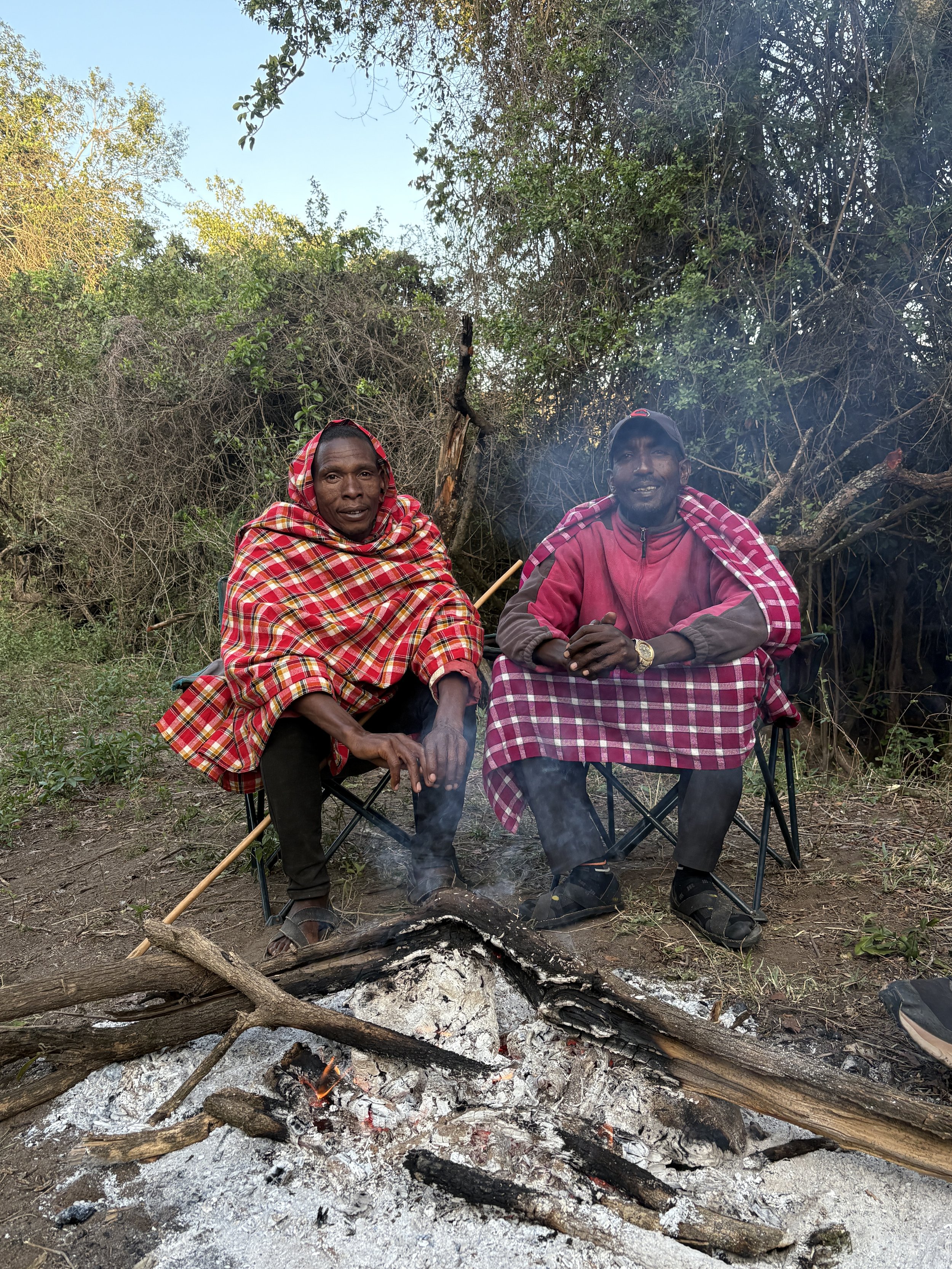
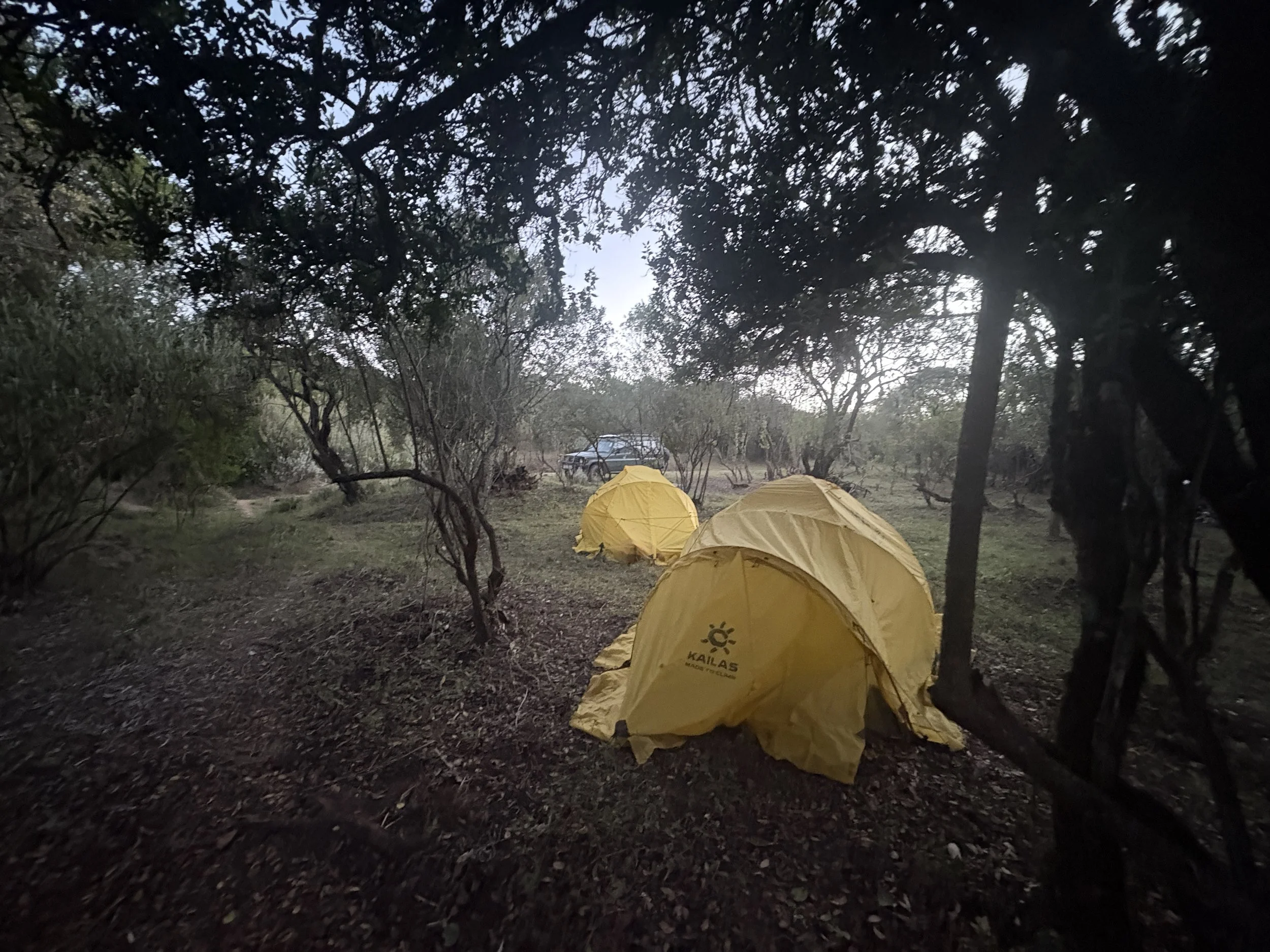
For years I have tent camped, but in February 2026, this time was different. We were in Kenya with animals that I only saw in books and at the zoo. Our first night at Kenya National Park, we were greeted by a sign that said, Notice to Visitors: Dangerous Animals at Night. Our tents shared the land with buffalos, monkeys and elephants roaming the area that evening, but restful nights followed until we visited a very remote area that was the home of the Maasai tribe. After their warm welcome upon our arrival, we were greeted by the “friend of the fire” and “watchman” and settled into our tents for the evening.
Emanuel was the “friend of the fire” who was responsible for feeding Acacia wood to the flame throughout the night to keep the fire blazing. It not only offered a beacon of light in the darkness, but also warmed the evening temperature dips and created a central gathering place for the team that we created.
Leesee was the “watchman,” the eyes and ears throughout the night, protecting us from the animals that hunted under the moonlight.
The tribe slaughtered a sheep for dinner on our second night and the fresh scent of blood and lingering aroma of grilled meat was in the air as we slept. A herd of hyenas found their way into our camp. The watchman was on high alert and began throwing rocks, but then summoned the tribe’s dogs who circled our tents, barking and chasing the unwelcome animals.
We quietly hunkered down in our tents with uncertainty as the dogs brushed against our tents and hungry hyenas howled. We trusted that Emanuel and Leesee were continuing the night guard. The next day, we emerged from our tents to find the fire blazing and heard the stories of the evening’s “invasion.”
The Maasai community survives and thrives by relying on and supporting each other. Can we transfer some of these lessons to create effective teams?
· How can we demonstrate our commitment as the “watchmen” to safeguard our core values and beliefs, when organizations and teams face uncertainty and external threats much like the darkness?
· How can we be resourceful to use what is around us, when we encounter a crisis or unexpected change?
· How can we lean on trusted relationships in our teams or community when psychological safety is challenged?
· How can we be the “friend of the fire” in our organizations and teams to create spaces for connection and communication?
Ultimately, like the Maasai, the strength of our teams lies in our shared commitment to protect what matters, adapt with resourcefulness, and intentionally foster trust and connection—even in the most uncertain moments.
Self-Leadership… On and Off the Trail
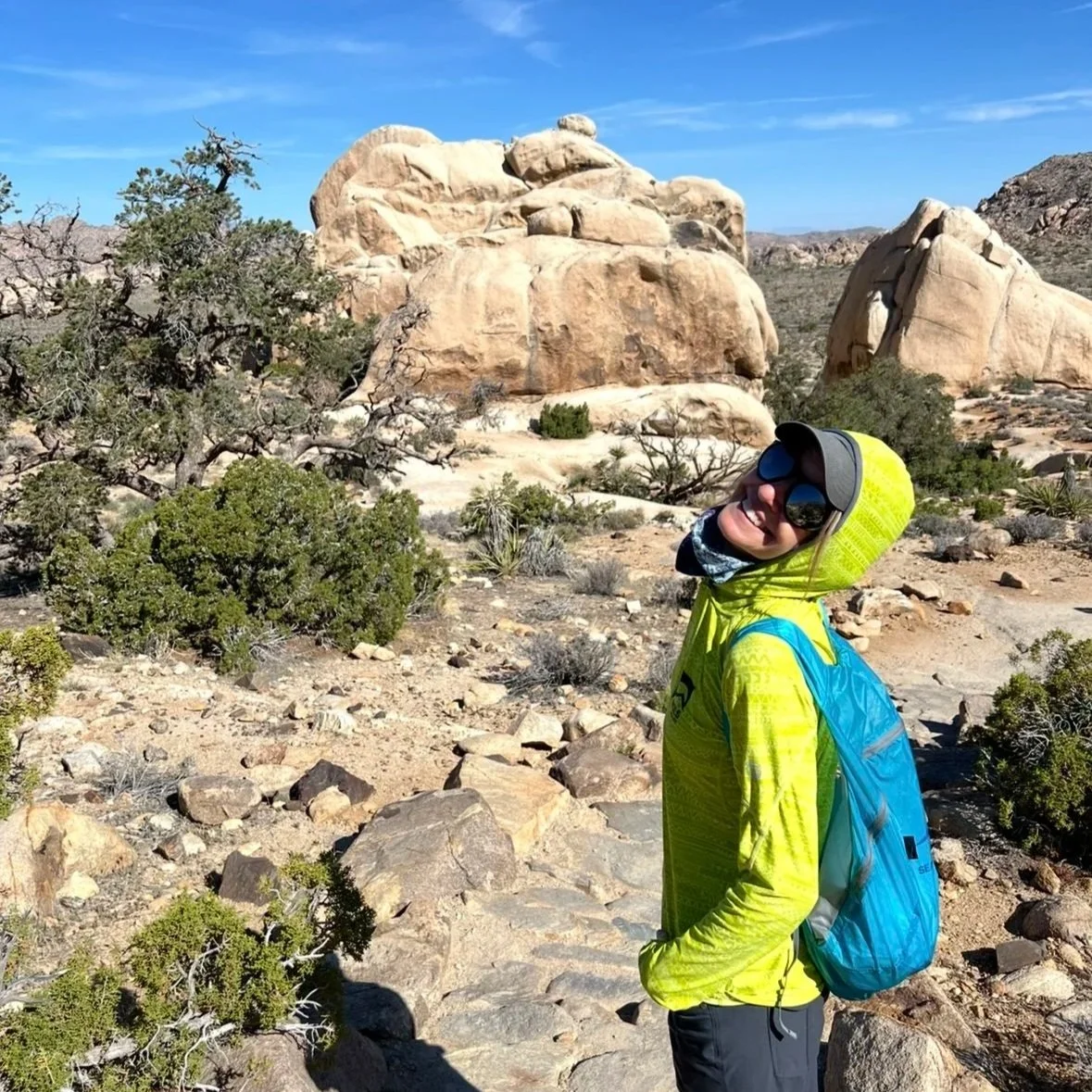
At the start of a new year, we often talk about well-being and self-care. It’s foundational to being an effective leader and team member. How we care for ourselves directly affects the people around us—whether we’re in the office or on the trail.
The outdoors continues to be one of my greatest teachers. Conditions change quickly. Weather shifts, temperatures fluctuate, and you learn to respond early—pack layers, adjust when you’re hot, add a layer before you’re cold. At the National Outdoor Leadership School (NOLS), there’s a phrase that has stayed with me: “It’s better to stay warm than to try to get warm.” The lesson is about awareness and prevention.
But it’s not just about layers on the trail. It’s also staying hydrated before you feel thirsty. Eating enough to fuel the day—even when you’re busy or don’t feel like stopping. Getting the sleep you need so you can think clearly and move safely.
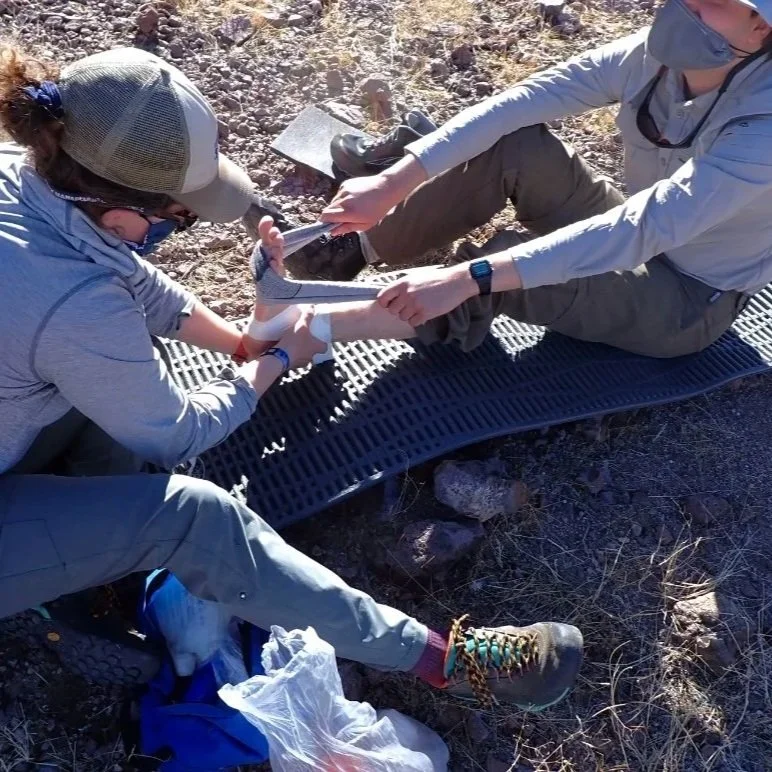
While hiking, a small “hot spot” on your foot is easy to ignore. You don’t want to slow the group to put on moleskin. You don’t want to draw attention to yourself. You don’t want to appear difficult or weak. But if you don’t address it, that small discomfort turns into a blister—and in the backcountry, a severe blister can end the entire journey.
Leadership and teamwork aren’t much different. When we dismiss early signals—fatigue, frustration, misalignment—we don’t just impact ourselves. We impact the team.
Pausing to take care of yourself isn’t slowing things down.
It’s what allows the journey to continue.
Self-Leadership is one of the four leadership roles in the National Outdoor Leadership School framework. Among many things, it includes • Take responsibility for yourself. • Take responsibility for your own learning. • Risk saying what you think. • Own what you say. • If it needs to be done, do it. • If you don’t understand, ask. • Enjoy your surroundings. • Maintain a sense of humor. • Help others learn and succeed. • Be kind and inclusive of others. • Push yourself. • Admit your mistakes. • If it is not safe for the group, don’t do it. • Participate and observe. • Learn from your experiences.
When we practice self-leadership, we show up more present and more human. And when leaders do this consistently, it creates space for others to do the same. As we move into this year, I’m reminded that strength isn’t about powering through at all costs. It’s about awareness, responsibility, and care—for ourselves and for each other. The impact of self-leadership reaches far beyond ourselves—it shapes the entire group. That’s what keeps us moving forward, on and off the trail.
Embrace the Funk… Type 2 Fun
Some of the most impactful experiences I’ve had, live in the Type 2 zone of fun.
There are 4 types of fun:
Type 1: Fun in the moment and fun to remember.
Type 2: Not fun in the moment, but fun to remember—yucky, uncomfortable, sometimes downright miserable. But on the other side, you draw learning and confidence from doing something hard.
Type 3: Fun in the moment, not so fun to remember.
Type 4: Not fun at all.
We naturally gravitate toward comfort. But comfort is overrated.
Growth happens when you expand your learning zone. That might look like hiking in the rain, tackling a challenge you didn’t think you could do, or saying yes to something that makes you a little uneasy.
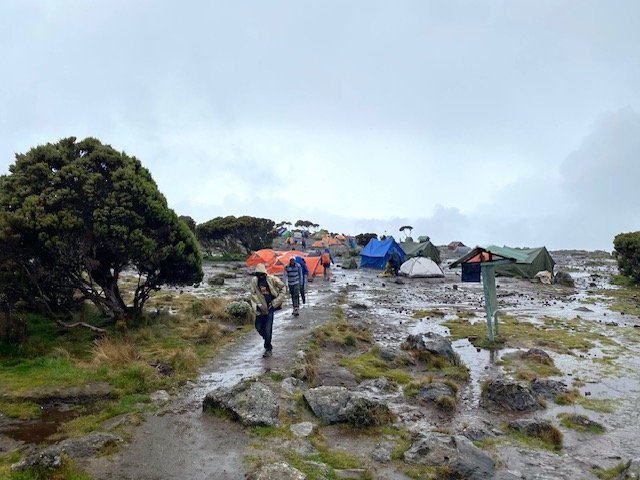
Many of my outdoor type 2 fun learning happens with external forces you can’t control—rain, wind, mud, cold —often come into play. My experiences have found me staying in Nepali tea houses at high elevation with no heat, warming by a yak-dung-fueled heater; sleeping in a tent that floods with puddles in the middle of the night; hiking and reaching multiple “false summits” when you think you have reached the top to name a few.
The physical aspect is only part of outdoor experiences. The other is psychological, mental toughness and pure determination. Confidence comes with doing hard things. One fellow trekker was sick for 3 days (I will spare you the details). After recovering, she rejoined the group with a renewed sense of confidence. She said, “If I can do this, I can do anything.” We all have a hidden potential and some extra gas in the tank to keep going. These experiences allow us to dig deep and find it. Upon reflection, this can translate into every area of life.
You don’t always have to find your Type 2 moments outside. It might be trying something new, having a difficult conversation, or leading through uncertainty.
Are you staying in the comfort zone or venturing out? I think of it like wearing your shoes on the wrong feet—you can stand, you can walk, but it’s just a bit uncomfortable. And that’s where the magic happens.
When Someone Extends a Hand… Take it
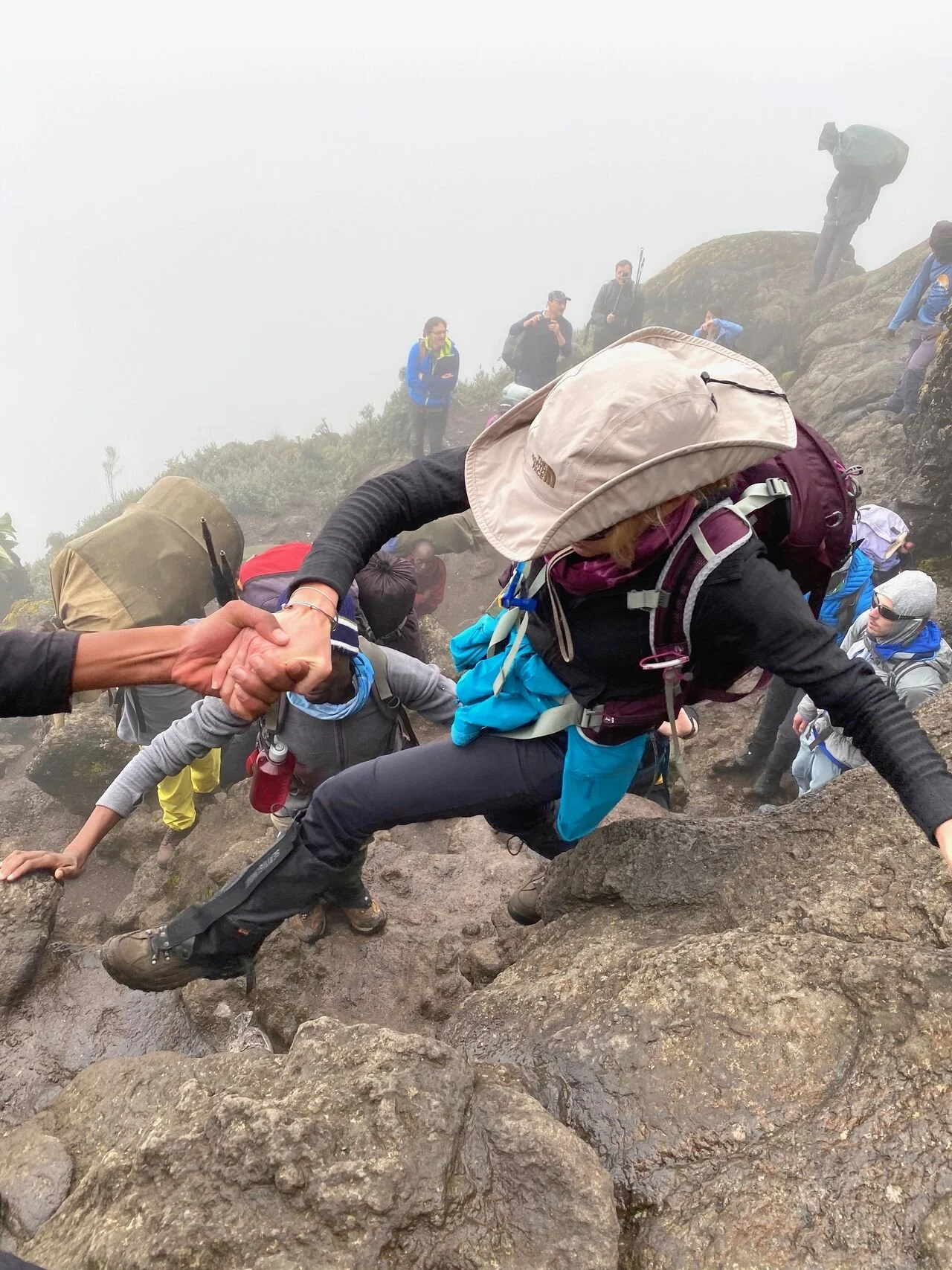
Reflecting back on 2020: Summiting Mount Kilimanjaro does not happen alone. There are porters carrying tents, food and supplies as well as guides showing you the route and monitoring hydration and oxygen levels.
When we encountered a challenging crossing or a scrambled up steep terrain, the guides would extend a hand. As fiercely independent person trying to do this on my own, I continuously refused the hand. I was thinking, “I got this, I don’t need any help.”
One evening at camp, the lead guide shared that it is the guides’ responsibility and source of achievement and joy to help us get to the top of Kilimanjaro. Refusing a hand can be seen as a sign of disrespect. I was horrified. That was not my intent at all. Actually, I wasn’t even thinking about the guide and his need to support me. I was only focused on me.
This got me thinking about how many times this happens off the trail and in personal/professional life. A colleague asks if I need support. I say no, thinking I don’t want to put them out and I want to demonstrate that I am capable.
But this mind set is focused on me getting to the summit or the success of a project. What about the others that surround me? How can they be part of the summit, too? How can they share in my successes and have successes of their own along the way? How can the success truly be collective? How can this be an opportunity for others to learn; be given opportunities to demonstrate their skills?
How can we all get to the summit where everyone feels that they have contributed?
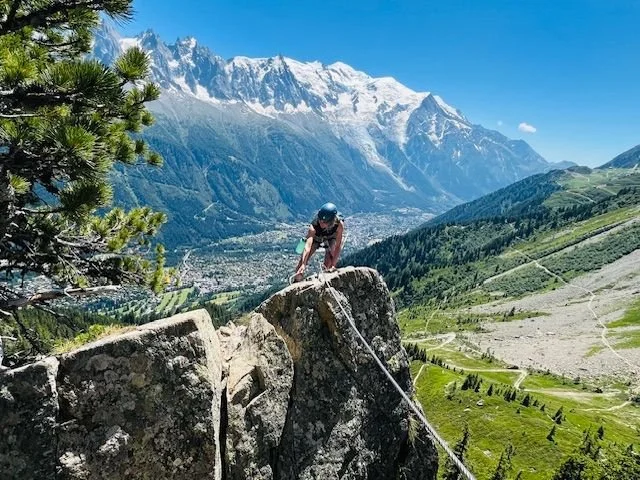
When Was the Last Time You Did Something for the First Time? If you can’t remember, it might be time to shake things up.
First-time experiences are rich with learning—about yourself, your habits, and how you move through challenge.
Last week, I tried a Via Ferrata for the first time. It’s a climbing route common in the Alps—part hiking, part non-technical climbing—where you’re clipped into cables, crossing narrow paths, steel ladders, and rock faces.
It demanded something I don’t always offer naturally: patience.
You can’t rush a climb. Each section requires intention—clipping in, pausing, checking your next move. No shortcuts. Right foot, left hand. Left foot, right hand. Always three points of contact.
The views? Stunning.
The learning? Even better.
Going with a friend who had experience gave me the confidence to say yes. Doing it with my son made it unforgettable. Practicing patience was epic.
Try something for the first time.
Let the mountain—or whatever your "mountain" is—teach you something new.
Looking for a new leadership or team development experience?
You don't have to go to the Alps to find your epic. All Forward can customize an outdoor experience aligned with your team's goals and learning zones.

Be Resourceful. On the Trail and Off.
When hiking, what you carry matters. Every ounce counts, especially with backpacking. So you get really good—at making the most of what you’ve got.
Let’s look at the bandanna. It’s light, simple, and often overlooked. But in the hands of a resourceful hiker, it’s a: tourniquet, trail marker, dust mask, napkin, sweatband, pot holder, strainer, signal flag…there are over 29+ ways to use this one item. That’s not just creativity —it’s adaptable leadership in action.
Resourcefulness is a leadership skill.
Just like on the trail, leaders don’t always get the “perfect” tool. They don’t always have the full team, the ideal timing, or a clear roadmap. But they do have resources —and the effective ones know how to use, stretch and reimagine them.
In team development, it’s about seeing possibilities. Turning obstacles into options. Helping people realize they already have more tools—and talent—than they think.
So next time you’re on the trail (or in a challenging situation), ask: “What can I do with what I have right now?” That’s a mindset that can carry you far. On the trail. In your professional and personal life.


Every Step Brings an Opportunity to Connect
On a recent Tour du Mont Blanc (TMB) trek, I hiked over 100 miles through France, Italy, and Switzerland. The trail was filled with wildflowers, grazing cows, and incredible views — but the true highlights were the people I met along the way.
I crossed paths with three women from California, early in their careers and challenging themselves on and off the trail. They asked thoughtful questions, shared fresh perspectives, and reminded me of the energy and curiosity that fuels the next generation of leaders.
Side by side, our conversations flowed — family, friends, community, careers, travel, life — in ways that felt both effortless and deeply grounding. And it didn’t stop when the trek ended. We shared dinner a few nights later and hopped on a Zoom call after returning home. What began as a chance encounter on a mountain trail grew into something much more lasting.
It’s a reminder: connection doesn’t need a conference room or a planned event. Sometimes, it’s simply about being open to the person walking right beside you!
Thank you these AMAZING women - Sarah, Layla, Taylor for making the trek so special. I’m excited to stay connected and watch your journeys unfold, one adventure at a time.
How Nature Redefined Success, Purpose, and Leadership
What happens when staying comfortable becomes more frightening than taking the leap?
Aneta Ardelian Kuzma explored this with Roseanne, the founder of All Forward on the Live the Width of Your Life podcast.
Roseanne's path has not been linear.
From social work to nonprofit leadership, to founding All Forward, her journey is a powerful reminder for all of us that it's never too late to begin again.
They talked about how outdoor experiences became the catalyst for courage, clarity, and connection.
They think staying where we are is the safe choice. But what if the real risk is never finding out what's possible?
Their conversation explores:
→ Why intentional discomfort fuels growth and confidence
→ How to build a "life resume," not just a professional one
→ The role of community and shared experiences in living wider lives
→ Why saying yes before certainty is not reckless — it's how we grow
Living with urgency doesn't mean rushing.
It means remembering that later is not guaranteed.
What's one experience you're ready to say yes to this season?
Listen HERE